Find Portable Diesel Generator with ATS for Land, Marine, Trailer
Source 30 units of Portable Diesel Generator with ATS designed for land use, marine, and trailer applications. Buyers can compare specifications including power ratings, cooling methods, and customization options to select the right unit for common, standby, or emergency crew needs.
Key considerations
Products List


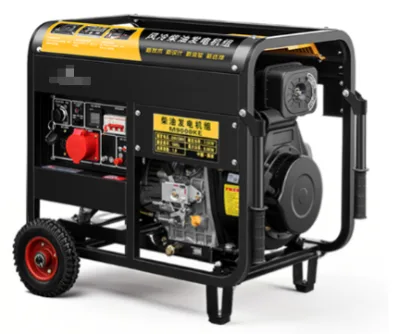


$28000.00 - $32000.00
MOQ: 1 Pieces

Comprehensive Sourcing Guide
Strategic Sourcing Guide for Portable Diesel Generators with ATS
Procuring a portable diesel generator equipped with an Automatic Transfer Switch (ATS) requires a disciplined approach that balances technical specifications, operational reliability, and supply chain stability. In the B2B market, the term "portable" often encompasses a spectrum of mobility solutions, ranging from open-frame units on trailers to soundproof containers designed for mobile deployment. The integration of an ATS is critical for ensuring seamless power transition during grid failures, making the selection of the right unit a complex decision that impacts both immediate operational continuity and long-term asset management. Buyers must navigate a landscape where product attributes vary significantly between models, and assumptions about standard specifications can lead to procurement errors. This guide outlines the essential factors for evaluating portable diesel generators with ATS capabilities, grounded in observed market data and verified technical parameters.
Technical Architecture and Power Output Specifications
The core of any generator procurement lies in understanding the specific power architecture and output capabilities required for the intended application. In the current market, portable diesel generators are frequently categorized by their power output, cooling methods, and phase configurations. Observed data indicates a wide variance in capacity, with units ranging from compact 5-10kW gasoline or diesel models to heavy-duty 30kW and higher industrial units. For applications requiring an ATS, the stability of the power output is paramount. The most common configuration for these units is AC Three-Phase output, which is essential for powering industrial machinery and large commercial loads. However, some portable units also offer AC Single-Phase outputs, providing flexibility for smaller residential or light commercial needs.
The engine configuration is another critical technical differentiator. High-performance portable units often utilize a four-stroke engine design, which offers improved fuel efficiency and lower emissions compared to two-stroke alternatives. The displacement of the engine cylinder plays a significant role in determining the power-to-weight ratio. For instance, specific models feature a 4-liter cylinder displacement, while smaller portable units may range from 150cc to 400cc. The cooling method is equally vital; while air cooling is common for smaller, lightweight units, water cooling is frequently observed in higher-capacity portable generators to manage thermal loads during extended operation. Buyers must verify that the cooling system matches the duty cycle, especially for standby or emergency crew applications where the unit may run continuously for days.
Integration of Automatic Transfer Switches and Control Systems
The inclusion of an Automatic Transfer Switch (ATS) transforms a standalone generator into a critical component of a backup power infrastructure. The ATS ensures that the load is automatically transferred from the utility grid to the generator when a power failure is detected, and back again when utility power is restored. When sourcing portable units with this feature, the synchronization and switching speed are key performance indicators. The generator must be capable of stabilizing its voltage and frequency quickly enough to prevent damage to sensitive equipment during the transition.
The control system of the generator must be compatible with the ATS logic. Many modern portable diesel generators come with self-starting capabilities, which are essential for unattended operation. The unit must be able to detect the loss of utility power and initiate the starting sequence without human intervention. The voltage and frequency ratings must align with the local grid standards. Observed specifications show units operating at 400/230V and frequencies of 50Hz or 60Hz, depending on the regional grid. Buyers should verify that the generator's rated power and standby power ratings are clearly defined, as these figures dictate the maximum load the unit can sustain. For example, a unit might have a rated power of 20kW and a standby power of 22kW, indicating the surge capacity available for starting heavy motors.
Mobility, Installation, and Physical Configuration
The definition of "portable" in the B2B context is nuanced. While some units are designed for simple towing on a trailer, others are housed in soundproof containers or open-frame structures that require specialized lifting equipment. The installation method for these units is typically fixed once deployed, but the transportability is a key selling point. The category of the unit often dictates its mobility features, with options including open-frame, mobile trailer, soundproof, or containerized configurations.
Physical dimensions and weight are critical for logistics planning. Observed data reveals that portable generators can vary significantly in size, from compact units measuring approximately 680×520×580mm to larger containerized units exceeding 3700×1240×1960mm. Weight is another factor, with some units weighing around 600kg, which impacts the choice of transport vehicle and the stability of the installation site. The protection level, such as IP23, indicates the degree of protection against solid objects and water ingress, which is essential for units intended for outdoor or semi-outdoor use. Buyers must ensure that the physical dimensions and weight of the selected unit align with the site constraints and the available lifting and transport infrastructure.
Compliance, Certification, and Operational Standards
Ensuring that a portable diesel generator meets regulatory and safety standards is a non-negotiable aspect of B2B procurement. While specific certification names may vary by region, the underlying standards for electrical safety, emissions, and noise levels are universal. The product standard for dimensions and construction must be verified against the buyer's local building codes and electrical regulations. For instance, the physical standard for a specific model might be listed as 1700×730×1050mm, but this must be cross-referenced with the actual unit's specifications to ensure accuracy.
The operating conditions of the generator are also subject to compliance requirements. Units designed for land use, marine environments, or car-type applications must meet specific environmental and safety criteria. The excitation mode, such as AC rotating exciter, influences the generator's ability to maintain stable voltage under varying load conditions, which is a key performance metric for compliance with power quality standards. Additionally, the fuel type and emission levels must comply with local environmental regulations, particularly in urban areas where noise and pollution are strictly controlled. Buyers should request documentation verifying that the unit meets the relevant international or national standards for the intended application.
Cost Drivers and Total Cost of Ownership
The pricing of portable diesel generators with ATS is influenced by a complex array of factors, including power capacity, cooling method, enclosure type, and the sophistication of the control system. The observed price range in the market is substantial, spanning from approximately $78 to $100,000. This wide variance reflects the difference between small, air-cooled portable units and large, water-cooled, containerized industrial generators. The initial purchase price is only one component of the total cost of ownership (TCO). Buyers must also consider the cost of fuel, maintenance, and the potential for downtime.
The customization options available for these units can significantly impact the cost. Features such as custom colors, specific packaging requirements, and tailored ATS configurations add to the base price. The minimum order quantity (MOQ) also plays a role in the unit cost, with ranges observed from 1 to 30 units. For buyers requiring a large fleet, negotiating a lower unit price based on volume is a standard practice. Furthermore, the delivery time, typically ranging from 15 to 20 days, can affect the overall project timeline and budget, particularly if expedited shipping is required.
Supplier Evaluation and Quality Assurance Protocols
Selecting a reliable supplier is as important as selecting the right product. The origin of the generator, often China for many global models, should be verified for quality consistency and supply chain reliability. Buyers should evaluate suppliers based on their ability to provide consistent product specifications, adherence to delivery timelines, and the availability of after-sales support. The customization capability of the supplier is a key indicator of their flexibility and responsiveness to specific buyer requirements.
Quality control measures should be a priority during the procurement process. This includes verifying the production standards, such as the specific dimensions and packaging methods used. For example, some units are packed in plastic wrapping film, while others require wooden case packaging for international transport. The buyer should request test results and performance data to validate the generator's capabilities, particularly regarding the ATS switching time and the stability of the power output. The protection level and the durability of the enclosure are also critical factors that should be assessed through third-party testing or verified through the supplier's quality assurance documentation.
Long-Term Procurement and Maintenance Strategies
The long-term success of a portable diesel generator investment depends on a robust maintenance strategy and the availability of spare parts. The cooling method, whether water or air, dictates the maintenance schedule and the complexity of the upkeep. Water-cooled units generally require more rigorous maintenance to prevent corrosion and scaling, while air-cooled units may need more frequent filter changes and cleaning. The cylinder count and displacement also influence the maintenance requirements, with larger engines typically requiring more extensive service intervals.
Buyers should plan for the lifecycle of the generator, considering the expected service life and the availability of replacement parts. The customization options, such as specific colors or packaging, should be documented to ensure that future replacements or expansions of the fleet maintain consistency. The delivery time and lead time for spare parts are critical factors in minimizing downtime. A supplier with a reliable supply chain and a commitment to long-term support is essential for maintaining the operational readiness of the generator fleet. By focusing on these long-term considerations, buyers can ensure that their investment in portable diesel generators with ATS continues to deliver value over the life of the asset.
Comparative Analysis of Portable Generator Configurations
To assist buyers in making informed decisions, the following table compares common configurations of portable diesel generators with ATS based on observed market data. This comparison highlights the trade-offs between power output, mobility, and cooling methods.
| Feature | Compact Portable Unit | Mobile Trailer Unit | Containerized Unit |
|---|---|---|---|
| Power Output | 5-10kW | 20-30kW | 30kW+ |
| Cooling Method | Air Cooled | Water or Air Cooled | Water Cooled |
| Mobility | Car/Trailer Type | Mobile Trailer | Container (Fixed Install) |
| Dimensions | ~680×520×580mm | ~1700×730×1050mm | ~3700×1240×1960mm |
| Weight | Light (<500kg) | Medium (~600kg) | Heavy (>1000kg) |
| ATS Integration | Optional/Basic | Standard | Standard/Advanced |
| Usage | Emergency Crew | Land Use, Standby | Common Units, Industrial |
This table illustrates that while compact units offer high mobility, they may lack the power and cooling capacity required for heavy industrial applications. Conversely, containerized units provide superior protection and power but require more complex logistics for deployment. Buyers must align their specific operational needs with the appropriate configuration to ensure optimal performance and cost-effectiveness.
FAQs
How does the cooling method affect portable diesel generator performance?
Cooling methods vary between water and air cooling depending on the unit capacity. Water cooling is observed in higher-capacity units to manage thermal loads, while air cooling is common for smaller portable models. Buyers must verify the system matches the intended duty cycle for extended operation.
What power output options are available for these generators?
Units offer AC Three-Phase output as the standard configuration for industrial loads, with some models providing AC Single-Phase options. Power ratings range from 5-10kW for compact units up to 30kW for larger industrial applications. Specific models may list rated power at 20kW with standby power at 22kW.
Can these units be customized for specific color or packaging needs?
Yes, customization is available for colors including white, blue, red, and yellow, or fully customized options. Packaging can be selected as plastic wrapping film or wooden case packages. Buyers should confirm specific customization requirements with the supplier to ensure alignment with project needs.
Which installation methods are supported for portable diesel generators?
The installation method is typically fixed once the unit is deployed at the site. Units come in categories such as open-frame, mobile trailer, soundproof, or container configurations. Physical dimensions and weight vary significantly, so site constraints must be checked before finalizing the selection.
How long is the delivery time for these generator units?
The standard delivery time ranges from 15 to 20 days for most orders. This lead time applies to the manufacturing and preparation of the units before shipment. Buyers should account for this duration in their project planning and consider expedited options if the timeline is critical.
What are the standard voltage and frequency specifications for these units?
Units operate at voltage ratings of 400/230V and support frequencies of 50Hz or 60Hz. These specifications align with common regional grid standards for both land and marine applications. Buyers must verify that the unit's electrical ratings match the local grid requirements for safe integration.